Have you ever walked through a construction project, looked at something, and thought, “I have no idea whether that’s right, what I should be looking for, or even what questions to ask”? You’re certainly not alone. Developers, property managers, architects, and contractors all bring different experience to a project. Even people who have spent years in construction encounter systems and details outside their everyday expertise.
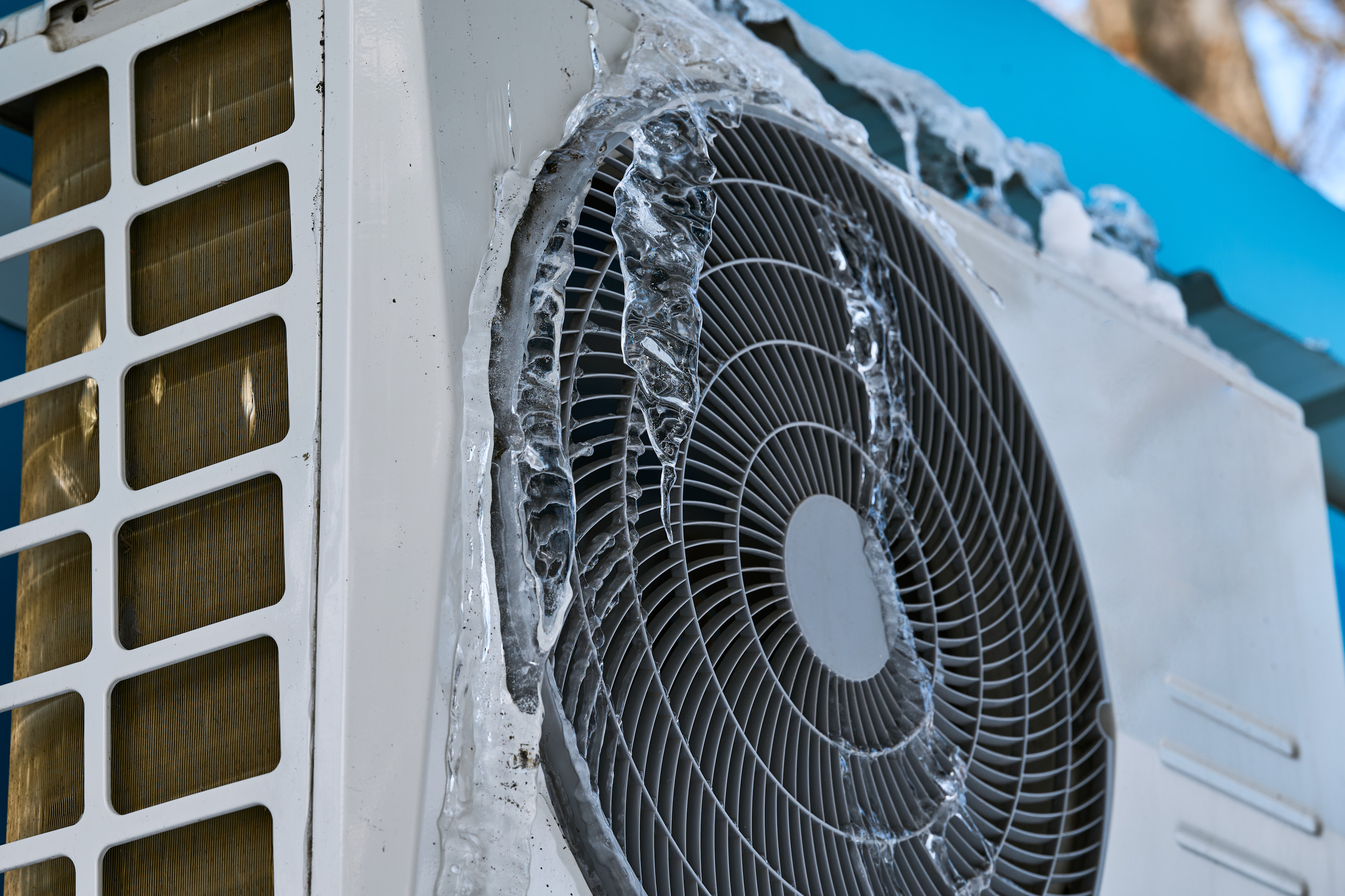
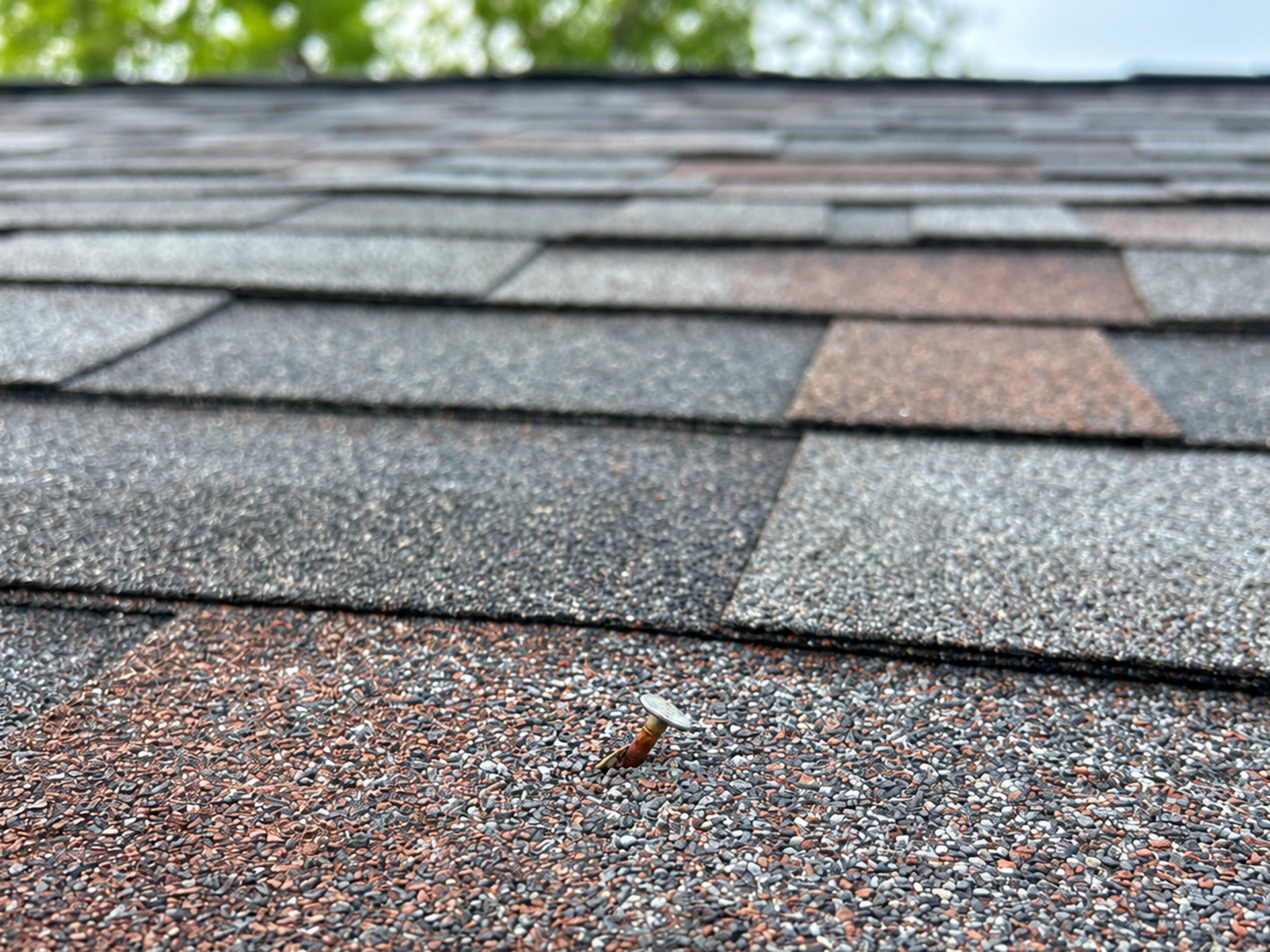
Is the water heater venting installed correctly? Is the furnace or rooftop unit set up the way it was designed to operate? Does that flashing actually direct water back outside, or will water end up behind the facade? These seem like basic questions, but answering them can require a closer look at the drawings, manufacturer’s instructions, and the installation itself. A neat installation can still have a problem, and a system that turns on isn’t necessarily operating as intended. The useful question is: what are we checking to confirm the work is right?
The same applies to planning, where the things you need to look for aren’t always visible. Take aluminum storefronts for example. What needs to happen before final measurements can be taken? Can those openings be ready earlier so fabrication can start sooner? If the storefronts arrive after interior work begins, what is the plan to enclose the building and maintain the temperature needed for that work? A delivery date on a schedule is only part of the picture. The steps required to make that date happen need to be there too.
Electrical gear, HVAC equipment, and other items with long lead times raise similar questions. When are submittals due? How much time is allowed for review, revisions, fabrication, and delivery? Has an order actually been released, or are we still waiting on an approval? And if equipment won’t be installed for another nine months, what has been established about pricing between now and then? An agreed contract price and a confirmed equipment order are two different things worth understanding.
At your next project meeting or site visit, try asking: What are we about to cover up that should be checked first? What decision or approval is needed now to protect a milestone months away? And what are we assuming has already been handled? Those questions apply to a new building just as much as a renovation. They give the team an opportunity to verify details and resolve concerns while there is still time to respond.
This is where Paradigm helps fill the gaps. We work with owners, property managers, design teams, and contractors to examine technical details, verify visible installations in the field, and review schedules by working backward from construction milestones to the necessary decisions, submittals, and order dates. We bring another perspective to the team and help turn “I’m not sure what I’m looking at” into a useful conversation.

Our goal with this content is to share practical construction information worth your time. Nobody needs more spam. If you have a construction question or a topic you’d like us to cover, feel free to reach out anytime.


.svg)
.svg)