The short answer is yes. But it needs to be done carefully, and how the project is being bid makes a big difference.
Most sets of drawings, even at 95 percent, still have gaps. There may be missing details, incomplete coordination between disciplines, or items that simply have not been fully defined yet. If those gaps are not addressed during bidding, they do not disappear. They usually show up later as change orders, delays, or confusion in the field.
One way we help manage that is by pairing the drawings with a clearly written scope document. The scope can define what is included, clarify how certain items are expected to be handled, identify allowances, and spell out assumptions that contractors should carry in their pricing. That gives everyone a more consistent basis to bid from and helps avoid the problem where every contractor is pricing something slightly different.
This process is much easier when an owner is negotiating with one contractor. In that situation, the owner, design team, contractor, and consultant can have direct conversations about incomplete items, work through assumptions, and carry reasonable budget numbers until the final details are developed. As the drawings progress, those numbers can be refined.
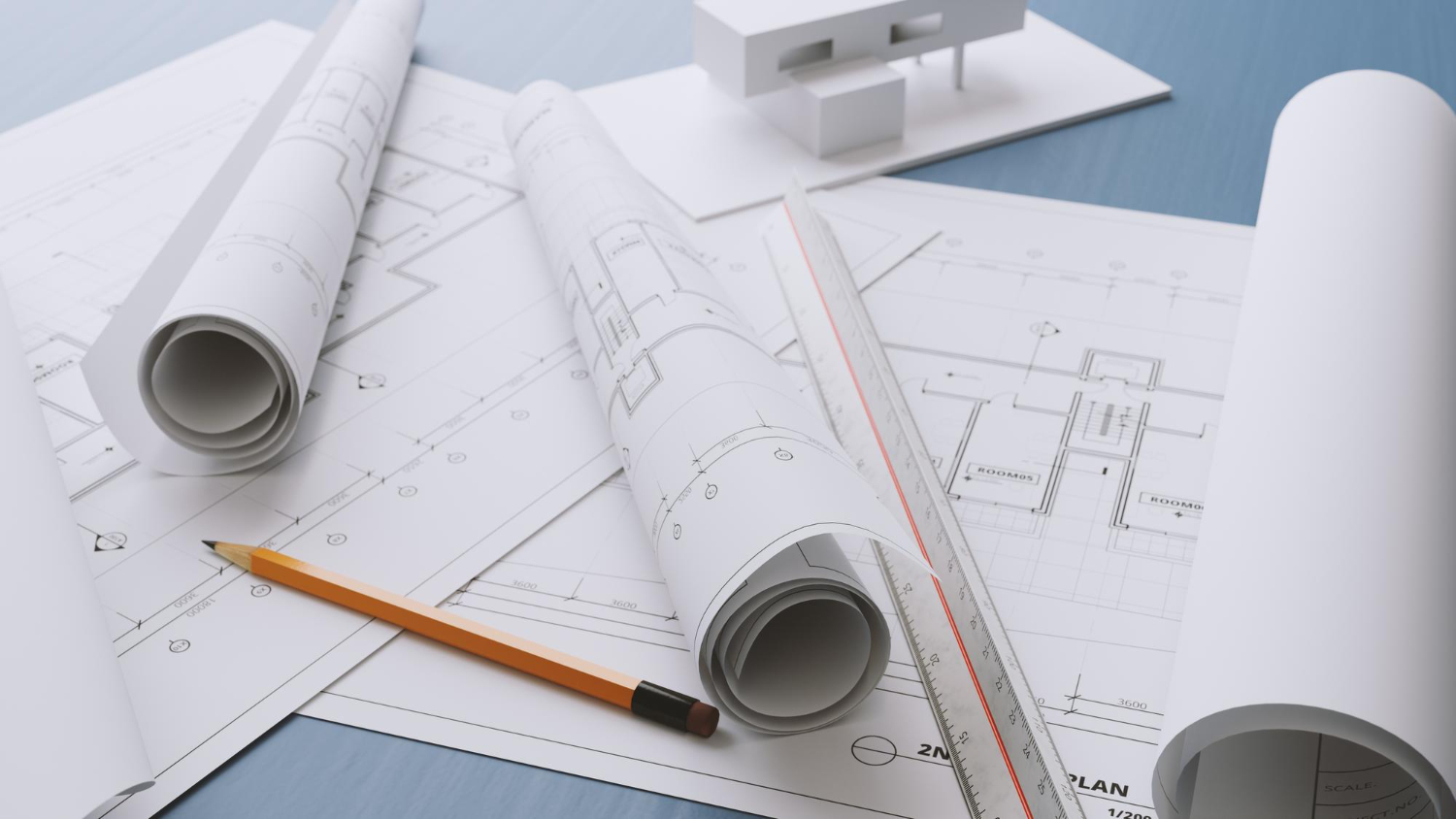
Hard bidding an incomplete set of drawings is a different situation, and one I would be much more cautious about.
If three or four contractors are bidding the same project competitively, they need to be given enough information to reasonably price the same scope of work. Otherwise, one contractor may assume a higher level of finish, another may exclude the item completely, and another may carry an allowance. The bids may look comparable on the bottom line, but they really are not.
It also puts contractors in a difficult position. Contractors understand that spending time bidding a project does not guarantee they will be awarded the work. That is an unfortunate part of the business. But they should at least be given a fair opportunity to bid the same project as their competitors without having to make significant assumptions that cannot be compared later.
If a project absolutely needs to be hard bid before the drawings are 100 percent complete, the missing information needs to be addressed as clearly as possible through scope narratives, allowances, alternates, unit prices, bid clarifications, and written assumptions that are consistent for every bidder.
Incomplete drawings do not automatically mean a project cannot be bid. They simply mean the bidding strategy and documentation become even more important.
The goal is not necessarily to eliminate every unknown before bidding. That is rarely realistic. The goal is to make sure the known unknowns are clearly identified so contractors are pricing the same thing and the owner understands what is, and is not, included in the number they receive.

Choosing the right construction consultant can make all the difference in the success of your project. At Paradigm Consulting, we help clients avoid costly mistakes, reduce risks, and optimize their resources. With our deep industry expertise, we ensure that your project stays on track and meets the highest standards of quality.
If you’re looking for a trusted partner to help bring your vision to life, let’s start the conversation.


.svg)
.svg)


